Portman Square Gardeners Small Garden Solutions: Practical Ideas for Elegant, Low-Fuss City Spaces
Small gardens in Portman Square can be deceptively tricky. There is often enough space for a little more than a pot or two, yet not quite enough room for the sort of planting scheme that looks lush without feeling cramped. That is exactly where Portman Square gardeners small garden solutions come in: thoughtful, space-savvy gardening that makes every square metre earn its keep.
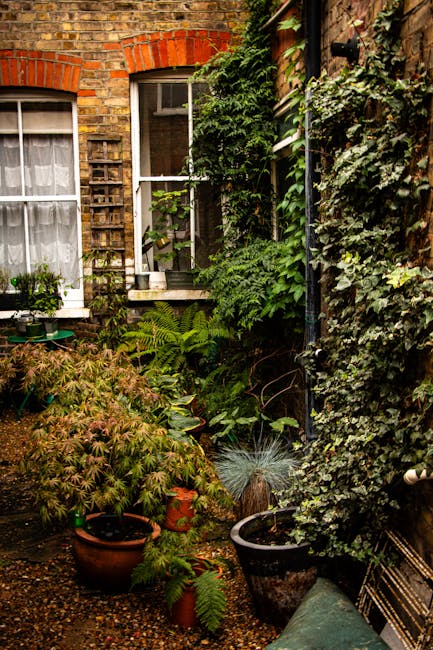
If you are dealing with a compact courtyard, a narrow side return, a tucked-away terrace, or a courtyard-style front garden, the challenge is usually the same. How do you create privacy, keep things tidy, and still make the space feel green and welcoming? The answer is rarely one grand gesture. More often it is a sequence of small, well-judged choices - the right plants, the right containers, the right maintenance rhythm, and a layout that does not fight the space you actually have.
This guide is written for people who want their small garden to feel calmer, smarter, and easier to look after. We will cover how small-garden solutions work in practice, what makes them effective in a central London setting, the mistakes that waste space, and how to choose the right approach for your own garden. To be fair, a compact garden can become a real jewel box if it is treated properly.
For a broader view of the services and approach behind this kind of work, you may also find the services overview useful, along with the company background on the about us page. And if you are comparing options or planning a project, the pricing and quotes page is a sensible next stop.
Table of Contents
- Why Portman Square gardeners small garden solutions Matters
- How Portman Square gardeners small garden solutions Works
- Key Benefits and Practical Advantages
- Who This Is For and When It Makes Sense
- Step-by-Step Guidance
- Expert Tips for Better Results
- Common Mistakes to Avoid
- Tools, Resources and Recommendations
- Law, Compliance, Standards, or Best Practice
- Options, Methods, or Comparison Table
- Case Study or Real-World Example
- Practical Checklist
- Conclusion
- Frequently Asked Questions
Why Portman Square gardeners small garden solutions Matters
Small gardens are not just mini versions of larger ones. They behave differently. In a compact outdoor space, one badly placed shrub can block a view, swallow light, or make access awkward. A lawn that might look perfectly fine in a bigger plot can feel like a maintenance burden in a tiny courtyard. The same goes for overcrowded borders, heavy furniture, and planting schemes that look lovely in spring but become messy and unmanageable by late summer.
That is why specialist small-garden thinking matters. It is not about making a garden look artificially neat. It is about using design, pruning, planting structure, and maintenance in a way that gives you more breathing room. In Portman Square and nearby central London streets, the pressure is often on to make a space feel private and restful without overcomplicating it. People want somewhere to sit with a coffee, listen to birds if they are lucky, and not spend every weekend tidying up leaves. Fair enough, really.
There is also a property value angle, though that should not be the only reason. A well-kept small garden can make a flat, townhouse, or mews property feel more complete. The outdoor area becomes an extension of the living space rather than an afterthought. That feeling matters. It changes how the place is used day to day.
And there is a practical side too. Small gardens can suffer quickly from poor drainage, low air movement, and patchy light. Choose the wrong plants or neglect routine pruning, and you can end up with a space that feels smaller every month. A considered solution prevents that spiral.
How Portman Square gardeners small garden solutions Works
The work normally begins with observation. A good gardener looks at the space in terms of light, shade, soil, access, sight lines, and movement. Where does the morning sun fall? Which corner stays damp? Is there a narrow route that gets blocked by overgrown planting? Those details sound small, but they drive every useful decision later.
From there, the solution usually combines a few core elements:
- Space planning: deciding what the garden should actually do, rather than trying to fit everything in.
- Plant selection: choosing plants that stay proportionate, cope with local conditions, and offer year-round structure.
- Vertical thinking: using walls, screens, climbers, and trellis to lift greenery off the ground.
- Container strategy: placing pots and planters where they add shape without clutter.
- Regular pruning and grooming: keeping growth controlled so the design remains intentional.
In practice, a small-garden solution is often part design, part maintenance plan. You might remove one or two overlarge shrubs, create clearer edges, replace a tired patch of turf with hardier planting, and introduce layered containers that give depth without taking over. Sometimes it is as simple as lowering visual clutter. A tiny space can feel a lot bigger once the eye has somewhere calm to land.
Think of it like editing a room. You would not stuff a small sitting room with oversized furniture and then wonder why it feels tight. Gardening is much the same. The garden breathes when the layout is edited properly.
Key Benefits and Practical Advantages
Done well, small garden solutions deliver more than a prettier view. They make the space easier to use, easier to maintain, and easier to enjoy in real life - which is the point, after all.
1. Better use of limited space
Every corner has a role. Narrow side areas can hold climbers or storage. Sunny patches can support flowering containers. Shadier parts can be used for calm foliage planting. The result is a garden that feels planned rather than squeezed together.
2. More light and a stronger sense of openness
Small gardens often benefit from restrained planting heights, lighter materials, and clear circulation routes. Even simple changes, such as removing one bulky feature or switching to a slimmer planter profile, can make the space feel less boxed in.
3. Easier maintenance
A thoughtful small-garden layout reduces weekly chores. Plants that do not outgrow their spots, tidy edging, and manageable pruning cycles all help. This is particularly valuable for busy homeowners, landlords, and residents who are often away during the week.
4. More privacy without heaviness
In central London, privacy is a common concern. Tall, dense planting can help, but it needs balance. Screening should soften views without creating a wall-like effect. Climbers, multi-stem shrubs, and layered foliage often do this better than a single dense hedge.
5. Better year-round appearance
A compact garden can look bare very quickly in winter if it has only a few seasonal showpieces. Good solutions include evergreen structure, interesting bark, textural grasses, and plants with reliable shape outside the peak season. Nothing too fussy, just dependable.
Practical takeaway: The best small garden solutions are usually the ones you barely notice as individual features. They simply make the whole garden feel calmer, more balanced, and easier to live with.
Who This Is For and When It Makes Sense
This kind of work suits a wide range of people, but the reasons differ. A homeowner may want a more stylish outdoor room. A landlord may need a neat, low-maintenance space that presents well for tenants. A busy professional might just want the garden to stop becoming a Saturday drain on time and energy. Quite understandable.
You are likely a good fit for Portman Square gardeners small garden solutions if one or more of these sounds familiar:
- You have a courtyard, terrace, or small urban garden that feels crowded.
- The garden looks fine for a few weeks, then gets messy fast.
- Plants have outgrown their positions and now block paths or windows.
- You want privacy but do not want a dark, closed-in feel.
- Your garden is mostly containers and you need a more coherent structure.
- You are planning to sell, let, or simply improve the property's presentation.
It also makes sense if you know the garden needs more than a one-off tidy-up. If you keep fighting the same problems - leggy plants, poor spacing, lack of seasonal interest, awkward access - then a more strategic approach is usually the smarter long-term choice. Otherwise you end up doing the same job twice. No one enjoys that.
Step-by-Step Guidance
If you are thinking about improving a small garden, here is the kind of process that tends to work best in practice.
Step 1: Start with a clear purpose
Ask what the garden needs to do. Is it a sitting area, a visual feature, a quiet retreat, or a low-maintenance green space? You can have more than one role, but one should lead. Without that clarity, small spaces become busy in a bad way.
Step 2: Measure what you actually have
Not roughly. Properly. Note the usable widths, the sun path, and the spots that stay wet or dry. Small-garden work is much easier when the dimensions are honest. Guesswork tends to create awkward gaps later.
Step 3: Remove what is oversized or failing
Before adding anything, trim back or remove plants that are too large, unhealthy, or not suited to the space. This is often the most dramatic improvement. You can instantly regain light, access, and proportion.
Step 4: Build a structure first
Install the backbone before fussing over details. That backbone might be trellis, a bench, a slimline planter layout, or evergreen framework planting. Once structure is in place, the rest becomes easier to read.
Step 5: Layer planting by height and texture
Use a mix of ground layer, mid-height planting, and a little vertical interest. Keep the tallest elements where they add privacy or shape, not where they make the garden feel boxed in. Texture matters as much as colour in a small space.
Step 6: Add focal points sparingly
A single specimen plant, a lantern, a pot group, or a small water feature can anchor the space. Just do not overdo it. In a compact garden, too many focal points cancel each other out. One or two is enough.
Step 7: Plan the maintenance rhythm
Small gardens need consistency more than intensity. Little-and-often pruning, seasonal refreshes, and occasional container replanting keep the space looking deliberate. Waiting until everything has got a bit wild is a classic mistake, and yes, most of us have been there.
Expert Tips for Better Results
Some of the best results come from small decisions that are easy to overlook. The following tips are simple, but they make a real difference.
- Choose plants for mature size, not just how they look at purchase. A plant that seems modest in the nursery can become a monster by year two.
- Use repetition. Repeating a few plants or materials gives a small garden calmness and rhythm.
- Keep the floor space readable. If paving, decking, or gravel is part of the design, let it breathe. Tiny spaces feel smaller when the base plane is too busy.
- Go for layered evergreens. They provide structure even when flowering plants are resting.
- Use containers strategically, not randomly. Pots should guide the eye, frame seating, or soften hard edges.
- Control fragrance and texture. A scent near a seating area can be lovely; a thorny plant beside a narrow route, less so.
One small but important tip: stand at the garden entrance and look in. Then stand in the furthest corner and look back. What do you notice first? If the first thing you see is clutter, a wall of foliage, or a random collection of pots, the design probably needs simplifying. It sounds obvious. It often gets missed.
Also, remember the seasonal reality of London gardens. A bright spring display can look brilliant at 10 a.m. in April, then a bit tired by late August if it was chosen without structure. The strongest small gardens are steady, not just spectacular for two weeks.
Common Mistakes to Avoid
Small gardens are forgiving in some ways, but not when design mistakes are repeated. Here are the ones that most often cause trouble.
Overplanting
This is the big one. People often want instant fullness, so they cram in too much. At first it looks promising. Six months later, everything is competing for space, and the garden feels smaller than before.
Ignoring mature height and spread
Labels matter. Mature size is not decorative trivia; it is the bit that tells you whether a plant will actually fit. Skipping this step usually leads to pruning headaches later.
Using too many small items
Many tiny pots, many colours, many materials. It can feel lively on paper, but in a compact garden it often looks messy. Fewer, better-chosen pieces usually look far more expensive and far more calm.
Forgetting the maintenance load
Some gardens are designed beautifully but are impossible to keep up. If you do not enjoy constant trimming, choose a lower-maintenance planting structure from the start.
Blocking natural movement
Paths and access points matter a lot in small gardens. If a pot, bench, or shrub makes you sidestep every time you go out, the layout is wrong. Simple as that.
Choosing style over conditions
That glossy plant you saw somewhere else might hate your shade, wind exposure, or dry container life. The better choice is the one that suits your conditions and still looks good. Style matters, but survival matters too.
Tools, Resources and Recommendations
Good small-garden work does not require a van full of specialist kit, but the right tools make the job cleaner and safer.
| Tool or Resource | Why It Helps | Typical Use in a Small Garden |
|---|---|---|
| Secateurs | Precise pruning without crushing stems | Deadheading, shaping shrubs, tidying climbers |
| Long-handled lopper | Reaches thicker stems safely | Removing overgrown branches in tight corners |
| Hand fork and trowel | Useful for container planting and soil work | Replanting pots, refreshing compost, edging |
| Hose or watering can | Controlled watering matters in containers | Hot spells, new planting, and dry border areas |
| Trellis or wire support | Adds vertical interest without taking floor space | Climbers, screening, and privacy support |
| Quality compost | Improves plant health and container performance | Pot refreshes and new seasonal planting |
Beyond tools, a sensible recommendation is to work in layers. Start with structure, then planting, then finish with details. If you start with decorative extras, the space can lose coherence very quickly. A tidy small garden is not about having fewer things for the sake of it. It is about each thing pulling its weight.
If you are comparing service support, it can help to look at practical details such as insurance and safety information, the health and safety policy, and the recycling and sustainability approach. Those pages do not make the garden prettier, obviously, but they do tell you a lot about how work is handled.
Law, Compliance, Standards, or Best Practice
For most small-garden improvements, the key issue is not law in the strict sense but good practice. Still, in a central London setting, it is sensible to think about access, shared boundaries, waste handling, and safety. If your garden work involves shared areas, flats, or leasehold properties, check responsibilities carefully before making changes. That part can be a bit dull, yes, but it avoids awkward conversations later.
Best practice usually includes:
- safe pruning and lifting techniques
- care with tools around tight spaces, glass, and neighbouring property lines
- responsible disposal or recycling of green waste where possible
- respect for shared access routes and quiet working times
- clear agreement on what is being cut, removed, replanted, or reshaped
If a contractor is involved, it is reasonable to ask how they approach payment handling, service terms, and customer complaints. That is not being difficult; that is being sensible. Pages such as payment and security, terms and conditions, and complaints procedure can help set expectations clearly.
Accessibility also matters in practical ways. A garden that is easy to step into, easy to cross, and easy to maintain is usually better for everyone. If you are checking the wider site experience, the accessibility statement is a useful trust signal.
Options, Methods, or Comparison Table
There is no single right answer for a small garden. The best method depends on the space, the light, and how much time you want to spend maintaining it. Here is a straightforward comparison.
| Approach | Best For | Advantages | Trade-Offs |
|---|---|---|---|
| Container-led design | Terraces, courtyards, paved areas | Flexible, easy to refresh, strong visual control | Needs regular watering and feeding |
| Border and structure planting | Garden edges with some soil depth | More permanent, softer look, good seasonal interest | Takes longer to establish |
| Vertical screening | Overlooked gardens, narrow plots | Creates privacy without using floor space | Needs sensible support and pruning |
| Low-maintenance minimalist scheme | Busy homeowners, rental properties | Simple to keep tidy, clean appearance | Can feel sparse if under-planted |
| Mixed approach | Most small gardens | Balanced, flexible, visually richer | Needs careful coordination |
In most real gardens, the mixed approach wins. A couple of well-placed containers, some evergreen structure, one or two climbers, and a clear seating zone usually create a much better result than any single tactic on its own. It is a bit like making a meal, really. One ingredient rarely does the whole job.
Case Study or Real-World Example
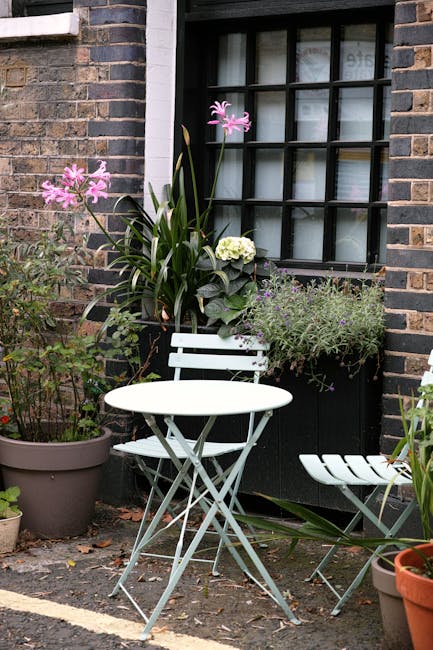
Here is a realistic example. A compact Marylebone-style courtyard garden starts out with three large shrubs, several mismatched pots, and a small paved area that feels narrow because the planting spills too far into the usable space. The owner wants more privacy from neighbouring windows, but also wants to keep a small bistro table in place.
The solution is not to add more plants. It begins by reducing bulk. One shrub is removed, one is hard-pruned, and the remaining planting is reshaped. A slim trellis is introduced on the boundary, with climbers chosen for vertical coverage rather than width. Two larger containers replace five smaller ones, which instantly makes the layout look calmer. Then the centre of the courtyard is kept open so the table can actually be used without moving things around every time the door opens.
What changed most? Not the amount of planting. The feeling of the space. It stopped being a garden with things in it and became a garden designed for living in. The owner could sit outside, hear the soft scrape of a chair on the paving, and not feel crowded by leaves. That kind of shift is subtle but very real.
In a project like this, a service discussion often includes scope, timing, and upkeep. If you want to understand what might be included, the services overview and pricing and quotes page can help frame the conversation before any work starts.
Practical Checklist
Use this checklist if you are planning improvements to a compact garden in Portman Square or a similar central London setting.
- Define the main purpose of the garden.
- Measure the usable space accurately.
- Identify light, shade, and damp areas.
- Remove oversized or unhealthy planting.
- Decide where privacy is really needed.
- Choose a small number of consistent materials.
- Use vertical features where floor space is limited.
- Select plants for mature size and long-term fit.
- Keep paths and access routes clear.
- Plan watering and maintenance before adding more plants.
- Group containers for stronger visual impact.
- Leave some open space so the garden can breathe.
- Check practical terms, safety, and payment details if hiring help.
If you are ready to speak to a team about the next step, use the contact us page. And if you care about ethical and operational standards, it is also worth taking a look at the modern slavery statement and recycling and sustainability information. Not glamorous, maybe, but important.
Conclusion
Small gardens in Portman Square do not need to be grand to be excellent. They need to be intelligent. The best Portman Square gardeners small garden solutions are the ones that respect proportion, light, privacy, and maintenance reality. They make a space feel easier, calmer, and more beautiful without turning it into a full-time job.
If there is one thing to remember, it is this: a compact garden becomes more impressive when you remove the noise, not when you add more of it. A little restraint goes a long way. Sometimes a lot further than you would think.
Get a free quote today and see how much you can save.
And if you are still weighing things up, that is fine. A good small garden usually starts with one clear decision, then another, and before long the space begins to feel like somewhere you actually want to step into on a quiet evening.
Frequently Asked Questions
What are Portman Square gardeners small garden solutions?
They are practical gardening and design approaches tailored to compact outdoor spaces in and around Portman Square. The focus is usually on space-saving planting, tidy layouts, privacy, and easier maintenance.
How do you make a small garden look bigger?
Use fewer but stronger features, keep sight lines open, choose plants with a lighter visual footprint, and rely on vertical planting where possible. Repetition and simple structure help the most.
Which plants work best in small London gardens?
Plants that stay manageable, tolerate the site conditions, and offer year-round structure are usually the best choice. The exact selection depends on sun, shade, and whether the garden is mainly in containers or soil.
Is a small garden harder to maintain than a large one?
Not necessarily. A badly designed small garden can be more annoying because clutter shows quickly. But a well-planned one is often easier to maintain than a larger, more sprawling space.
Can a small garden still have privacy?
Yes, absolutely. Privacy can be created with climbers, trellis, layered planting, and carefully placed screening. The key is to avoid making the space feel enclosed.
Do I need a full redesign, or just pruning and tidying?
Sometimes pruning and a tidy-up are enough. If plants are overcrowded, the layout is awkward, or the space feels permanently cramped, a fuller rethink may be more useful.
How often should a small garden be maintained?
That depends on the planting style, but small gardens usually benefit from regular light maintenance rather than occasional heavy work. Little and often tends to keep things under control.
Are containers good for small gardens?
Yes, especially where ground space is limited. Containers provide flexibility and can help define zones, but they do need watering, feeding, and occasional refreshing.
What is the biggest mistake people make with compact gardens?
Overplanting. It is the most common issue and the one that makes a garden feel smaller, darker, and harder to manage over time.
How do I choose between maintenance and design services?
If the garden mainly needs control, shaping, and upkeep, maintenance may be enough. If the space feels poorly planned or underused, design-led improvements are usually the better route.
Can small garden solutions increase property appeal?
They can improve presentation, usability, and the overall sense of care. While results vary, a tidy and well-balanced outdoor space often creates a stronger first impression.
What should I ask before hiring a gardener for a small garden?
Ask about their experience with compact spaces, how they handle safety and waste, what maintenance will be needed later, and what is included in the quote. Clear answers are usually a good sign.