Hedge Trimming in Marylebone

We provide hedge trimming in Marylebone for gardens that need tidy shaping, controlled growth and a finish that suits the planting and the space around it. The work can range from regular maintenance cuts through to one-off reduction where hedges have become uneven, bulky or difficult to manage. Our approach is practical: keep the hedge healthy where possible, improve its outline, and leave the surrounding area clear and ready to enjoy.
Hedges are often more than a boundary. They can frame front gardens, screen patios, soften walls and make a small outdoor area feel more settled. Trimming them well means understanding the plant, the season and the result the owner wants. A light, even trim can preserve a formal line; a more considered reduction can bring structure back without stripping the hedge of all shape. Careful cutting matters because poor trimming can leave gaps, damage new growth or create a lopsided outline that takes time to recover.
We work on hedges of different heights and densities, including neatly clipped ornamental hedges and more natural garden boundaries. When the hedge is mixed with beds, paths or fencing, the job also needs control around edges so the finished line looks deliberate rather than hurried. If you are comparing options, use the pages on this site to check the wider service range and then request a quotation when you are ready.
Regular Hedge Care and Seasonal Cutting
Regular hedge maintenance keeps growth manageable and reduces the chance of a hedge becoming too wide for its allotted space. For many gardens, a steady trimming routine is better than letting the hedge run on and then asking for a heavy corrective cut. We can shape hedges so they hold a clear outline, with attention to sides, top growth and the overall profile. That helps the hedge sit well alongside lawns, paths, boundaries and planting below it.
Season matters. Some hedges respond best to a tidy trim that preserves the established shape, while others need more cautious work to avoid cutting back too far into old wood. The right method depends on the hedge type, how quickly it grows and what result the customer wants to achieve. If you are looking through related services, the garden maintenance page gives a broader view of ongoing outdoor care, while hedge trimming remains focused on the structure and finish of the hedge itself.
What a tidy finish usually includes
- Even side cuts that keep the hedge line straight and balanced
- Controlled topping to reduce height without leaving harsh steps
- Attention to edges near paths, drives, walls and fences
- Removal of loose clippings from the main work area
- A finish that suits the hedge’s natural habit rather than forcing one shape on every plant
Shaping, Reducing and Restoring Form

When hedges grow beyond their intended size, the work often shifts from simple trimming to more careful reshaping. That may mean bringing the width back in, improving the line at the top, or restoring a hedge that has become uneven after missed cuts. The aim is not just to make it shorter; it is to rebuild a clear outline so the hedge looks deliberate again. In some cases, a phased reduction is the safer choice, especially where a hedge is mature or has sections with thinner growth.
Restoring form also involves judging what can be removed without exposing bare sections. Some hedges tolerate a deeper cut than others, and some benefit from a slower return to shape across more than one visit. We can advise on trimming that supports the hedge’s appearance while keeping the cut sensible for the plant. For customers who want to compare related work, the hedge trimming page sets out the service itself, and the tree lopping and removal page covers larger woody growth that may need a different approach entirely.
Hedging work can also be influenced by surrounding features. A hedge close to a wall may need one face kept narrower, while a hedge beside a front path may need cleaner lines and more frequent attention to stop it feeling overgrown. Where access is tighter, neatness matters as much as speed. Good trimming leaves the hedge looking intentional from both sides where both sides are visible.
Boundary Hedges, Privacy Screens and Front Garden Lines
Boundary hedges usually need a different style of trimming from small decorative hedges. They often have to balance privacy, tidy presentation and sensible reach, especially where they sit beside neighbouring gardens or public-facing fronts. A boundary hedge that has become too wide can encroach on usable space, while one that is too tall may block light or look heavy against the rest of the garden. Careful trimming helps keep the hedge useful as well as neat.
Front garden hedges often need a crisp, welcoming finish because they are among the first features seen from the street. That does not mean they should be cut into an artificial shape; rather, the aim is a clean line that suits the property and the planting around it. When a hedge forms part of a broader design, the landscaping page may be useful for customers planning other improvements, while the hedge work itself focuses on the living boundary and its trim.
Practical decisions before cutting begins
Before any hedge is trimmed, it helps to decide whether the priority is height reduction, width reduction or simple refinement of the existing shape. It also helps to consider how much growth should be kept for screening and how much can be safely removed without leaving the hedge looking stripped. If the hedge sits beside ornamental planting, the cut often needs extra care so the finished line complements rather than dominates the garden.
Access, Clippings and a Clean Working Finish
Hedge trimming is not only about the cut itself. It also involves managing access around the hedge, protecting nearby planting where possible and gathering the cut material in a sensible way. In many gardens, the difference between a good and a poor finish is how well the work area is left once the shaping is done. We aim to keep the process orderly so the hedge can be appreciated immediately rather than needing further tidying afterwards.
Clippings may be gathered from beds, paths and lawn edges, then cleared from the immediate work area in a way that keeps the garden usable. Where the hedge is dense, the volume of cuttings can be substantial, so practical handling matters. If you are also considering other outdoor work, the garden clearance page is there for broader clearance tasks, while hedge trimming remains the more precise job of refining living boundary growth.
For a quotation, it is useful to note the hedge length, approximate height and whether all sides can be reached easily. A few clear details help define the work more accurately and avoid confusion about the extent of the trim. Photos can be helpful, especially where a hedge has uneven sections or limited access, but written notes are also useful when the layout is straightforward.
Related Outdoor Work and Garden Structure
Some customers want hedge trimming as part of a wider programme of garden care rather than as a stand-alone task. In those cases, it may make sense to look at mowing, maintenance and landscaping together so the hedge sits well within the rest of the outdoor space. The hedge line can influence how open a garden feels, how much light reaches lower planting and how clearly the boundary is defined. A well-trimmed hedge often makes the whole garden look more ordered without needing major changes.
If the hedge sits alongside a lawn or planted border, the surrounding work matters too. A crisp hedge can look even better against a level lawn, and a wider garden refresh may involve several services. The lawn mowing page is useful where grass cutting is part of the same tidy-up, while the landscape gardening page may suit customers planning larger changes to paths, beds or overall layout. For a broader summary of what is available, the services overview page is a sensible next step.
Hedges also interact with trees and taller shrubs. Where branches from nearby trees are affecting light or limiting the hedge’s shape, trimming decisions may need to be made in context rather than in isolation. That is why the best result usually comes from looking at the garden as a connected space, not just treating each plant as a separate job.
Choosing the Right Level of Trim
Different hedges call for different levels of intervention. A routine trim is suitable where the hedge already has a good line and only needs freshening up. A heavier cut may be appropriate where the hedge has drifted beyond its intended size. The skill lies in keeping the work proportionate: enough to make a visible improvement, but not so much that the hedge is left looking harsh or unbalanced. That is especially important with hedges that are part of a formal frontage or carefully arranged garden.
Some customers prefer a very sharp finish with straight faces and a level top, while others want a softer outline that still looks maintained. Both are valid outcomes, provided the cut suits the plant and the setting. If your hedge is part of a larger plan for the site, the decking services page may be relevant where outdoor seating or terraces are also being improved. For hedges alone, though, the focus stays on clean edges and a sensible shape.
When a stronger cut may be needed
A stronger cut is sometimes considered where a hedge has become too broad for its border, has uneven growth after missed maintenance or is obscuring paths and views. Even then, the cut should be measured, because over-reduction can leave a hedge thin and slow to recover. A careful approach balances improvement now with healthy regrowth later. That balance is often what separates a decent trim from one that actually helps the hedge remain manageable over time.
About Marylebone
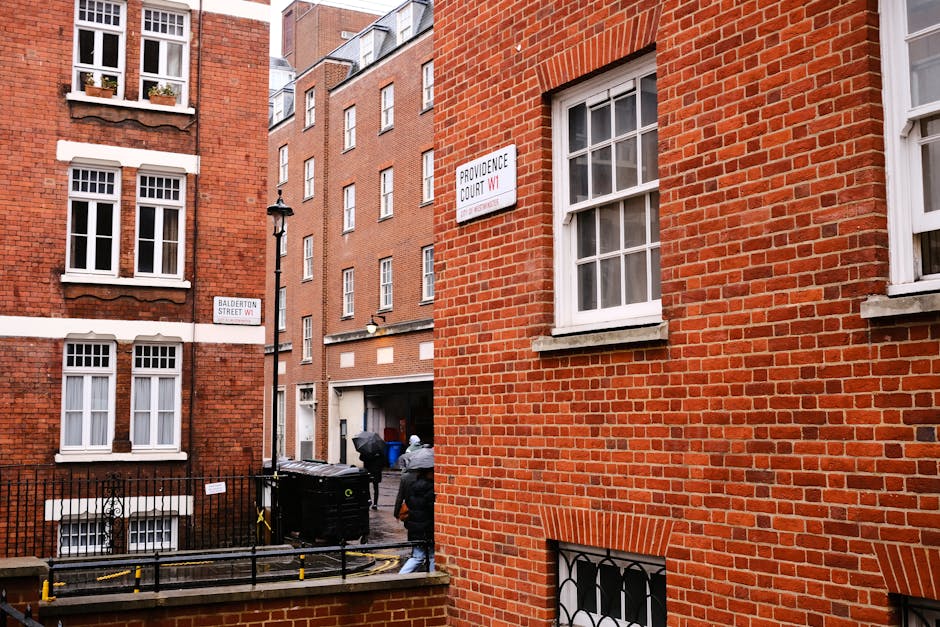
Marylebone is a district in central London within the City of Westminster, shaped by a mix of Georgian streets, later commercial development and a strong sense of urban identity. Its name is commonly associated with the historic village of St Marylebone, and the area retains that layered history in its street pattern and architecture. Much of Marylebone is characterised by terrace housing, mansion blocks and elegant squares, giving it a distinctive built environment that differs from the wider West End even while remaining close to it. The district’s streets include a mix of residential and mixed-use places, with well-known routes such as Marylebone High Street providing a clear focal point. Nearby, Regent’s Park forms a major green edge to the area, offering open space, formal landscapes and a change of scale from the surrounding streets. The district also has strong transport connections through Marylebone station, which links it to wider London and beyond. Cultural life is reflected in local institutions, independent shops, galleries and restaurants, while nearby medical and academic uses add another layer to the neighbourhood’s character. Together these features make Marylebone a place where historic fabric, active street life and substantial open space sit in close proximity.
Preparing for a Quotation
When asking for a quotation, the most helpful details are usually the hedge location, approximate dimensions and any points that may affect access. If the hedge is continuous across more than one boundary, or if only part of it needs attention, that should be explained clearly so the scope is understood. It can also help to say whether you want a routine tidy, a careful shape-up or a more noticeable reduction, because the intended result changes the amount of work involved.
We can then match the trim to the hedge’s condition and the customer’s priorities, rather than treating every hedge as if it needed the same approach. If there are nearby plants you want protected or a particular line you want preserved, mention that when you make the enquiry. The pricing and quotes page is a useful place to begin if you want to move towards a clear estimate, and it sits naturally alongside the trimming service information on this site.
For a straightforward enquiry, you do not need to over-explain the garden. A short note about the hedge type, the rough size and the result you want is often enough to start. If you are ready, request a quotation and we will use the details you provide to shape the next step.
Keeping Hedging Work Simple and Well Planned

A good hedge trim should leave the garden looking ordered without creating extra complication for the owner. That means the work needs to be planned around the hedge’s shape, the setting and the level of finish required. A straightforward trim, a more involved reduction and a hedge that needs careful restoration are all different jobs, and they should be treated that way. The main value lies in a clean, suitable result rather than in unnecessary embellishment.
We also recognise that some gardens have practical constraints. Narrow access, delicate borders or changes in hedge height along one line can all affect the best way to approach the cut. Where other policy or business information is useful, the site includes pages such as insurance and safety and health and safety policy, which sit alongside service details for customers who want a fuller picture of how the work is approached.
Good hedge care is often best handled steadily rather than left until growth becomes difficult to manage. With that in mind, it is usually sensible to keep the hedge’s overall role in the garden in view: screening, framing, tidying or simply marking a boundary. If you would like to discuss a hedge in Marylebone, make the first step a simple one and ask for a quotation when you are ready.
Further Information and Next Steps
Alongside the trimming service itself, some customers like to review practical business information before they proceed. If that applies to you, there are pages covering about us, payment and security and complaints procedure, all of which can be read at your own pace. They are there to support a straightforward enquiry process, while the main focus of this page remains the hedge work and the results it can deliver.
It can also be useful to look at the wider garden picture if hedge trimming is part of a larger plan. In some cases, a hedge sits alongside new planting or other structural changes, and in others it simply needs a tidy cut to stay in line. Either way, the main goal is to keep the hedge manageable, healthy where possible and visually appropriate for the property. A neat hedge can improve the feel of the whole outdoor space without needing any dramatic redesign.
For the next step, you can review the service pages, choose the type of help you need and then request a quotation. If you already know the hedge size and the kind of trim you want, that is usually enough to begin a clear conversation.