Avoid hidden gardener charges in Marylebone bookings
Booking a gardener should feel straightforward. You ask for the job, get a price, agree the date, and that's that. But in real life, hidden extras can creep in fast: disposal fees, minimum call-out charges, parking costs, overtime, or vague "materials" that were never mentioned properly. If you want to avoid hidden gardener charges in Marylebone bookings, the key is not luck. It's clarity.
Marylebone has its own quirks too. Access can be tight, parking can be awkward, and many gardens sit behind flats, railings, or shared entrances. None of that is a problem if it's priced honestly. It becomes a problem when the quote looks neat on the surface and the add-ons appear later. This guide breaks down how hidden charges happen, what to ask before you book, and how to compare quotes without getting caught out. Simple, practical, no fluff.
Why Avoid hidden gardener charges in Marylebone bookings Matters
Hidden charges are more than an irritation. They can turn a sensible garden job into an expensive surprise, especially when the work is small enough that you expected a tidy fixed fee. In a neighbourhood like Marylebone, where access, building rules, and waste removal can affect how a job runs, pricing should be transparent from the start.
There's also the trust side of it. A good booking experience sets the tone for the whole job. If the quote is unclear, you start watching every invoice line with suspicion. Not ideal. Clear pricing gives you confidence to book, plan, and approve work without feeling you need to act like a detective.
For many customers, the real issue is not the final cost itself. It's the fact that the cost keeps moving. A gardener might say a hedge trim is one price, then later add extra for clippings, access time, ladder work, or a return visit. If you're also arranging garden maintenance or a one-off tidy-up, that sort of uncertainty can make it hard to budget properly.
Expert summary: the easiest way to avoid hidden gardener charges in Marylebone bookings is to insist on a written scope, ask what is included, and confirm the charge triggers before anyone starts work.
How Avoid hidden gardener charges in Marylebone bookings Works
The idea is simple: remove ambiguity before the gardener arrives. In practice, that means turning a general request like "sort the garden out" into a clear brief with a defined price structure. The more specific you are, the less room there is for surprise additions later.
Hidden charges usually appear in one of five ways:
- Unclear scope: the gardener priced a light tidy-up, but the actual work is heavier.
- Travel or access costs: time spent moving equipment, getting through a basement entrance, or navigating restricted access gets added on.
- Waste disposal: green waste, soil, branches, or mixed garden waste can be treated as extra if not stated clearly.
- Minimum booking charges: a small job may still carry a minimum visit fee, even if it takes less time than expected.
- Materials and consumables: compost, fixings, turf, or treatment products may be billed separately if not included in the quote.
This is why a proper quote should say what happens if the job changes. For example, a hedge trim might include cutting, shaping, and collecting waste, but not major overgrowth reduction or extra waste uplift. If you're considering larger work, it's worth looking at a service page such as hedge trimming or checking the broader services overview so you know how the work is typically framed.
One thing people often miss: an honest gardener will usually be happy to explain the pricing structure in plain English. If the explanation feels slippery, that is a clue in itself. Not a guarantee of trouble, but a clue.
Key Benefits and Practical Advantages
When you manage pricing properly, you get more than a cheaper invoice. You get control. And let's face it, nobody likes the end-of-job surprise that arrives after the ladders have gone and the patio is finally clear.
- Better budgeting: you can compare like with like instead of guessing.
- Fewer disputes: clear scope reduces awkward conversations after the work is done.
- Faster booking decisions: if you know what is included, you can approve the job sooner.
- Better service matching: you can choose the right provider for the right type of garden work.
- Less stress on the day: everyone knows what is expected, so the job flows more smoothly.
If your garden needs more than a quick tidy, transparent pricing matters even more. Bigger tasks such as garden clearance, lawn mowing, or even tree lopping and removal can involve waste, access, and time variables. Those are perfectly normal. What matters is whether they're priced honestly up front.
Clear pricing also helps with trust. A provider who itemises or explains costs well is usually thinking carefully about the work, not just the sale. That's a good sign.
Who This Is For and When It Makes Sense
This approach is useful for just about anyone hiring a gardener in Marylebone, but it's especially helpful in a few situations.
- Homeowners who want a one-off quote and no surprise extras.
- Flat owners or tenants dealing with limited access, shared entrances, or awkward waste removal.
- Landlords and managing agents who need records, predictable billing, and work completed on schedule.
- Busy residents who don't have time to chase invoice corrections later.
- Anyone commissioning multiple tasks such as trimming, clearance, and maintenance in one visit.
It makes sense whenever the job is not totally straightforward. A neat front lawn is one thing. A back garden with overgrown hedging, old pots, broken branches, and a narrow passage to the street? Different story. That's where pricing detail earns its keep.
To be fair, even a small job can become messy if the provider hasn't asked the right questions. A quick ten-minute call at the beginning often saves a lot of back-and-forth later.
Step-by-Step Guidance
Here's a practical way to avoid hidden charges without making the booking process feel like a legal exam.
- Describe the garden clearly. Say what needs doing, how much there is, and whether access is easy or tricky. Mention hedges, lawns, beds, paving, waste, and any safety concerns.
- Ask what is included in the price. Does it include labour, waste collection, fuel, tools, and VAT if applicable? Do not assume. That's where many misunderstandings begin.
- Ask what counts as extra. Find out whether overgrowth, heavy waste, return visits, parking, or urgent timing would change the price.
- Request a written quote or message summary. Even a short written breakdown is better than a verbal figure you'll forget later.
- Check if the quote is fixed or estimated. A fixed price gives more certainty. An estimate is fine if you know the conditions that could change it.
- Confirm waste handling. If clippings, branches, or soil are being removed, ask how that is priced and whether disposal is included.
- Review the terms before you agree. Pages like terms and conditions and pricing and quotes are useful for seeing how the business explains extra work, deposits, cancellations, and payment timing.
- Reconfirm on the day if the job has changed. If the gardener arrives and sees more work than expected, pause and agree the adjustment before they continue.
That last step matters more than people think. A five-minute conversation on the driveway can prevent a fairly annoying invoice. Not glamorous, but effective.
Expert Tips for Better Results
These are the little things that tend to separate a clean booking from a frustrating one.
Tip 1: Give photos, not just descriptions. A few clear pictures of the garden, access route, and waste areas help a provider price the job much more accurately. You know that moment when a hedge looks "fine" from one angle and absolutely wild from another? Photos solve that.
Tip 2: Be specific about outcome, not just tasks. "Cut back the front hedge to a neat line" is more useful than "tidy the hedge." "Mow the lawn and remove the clippings" is better than "sort the lawn." Specificity reduces scope drift.
Tip 3: Ask about disposal before you mention price. In many cases, waste handling is where hidden charges hide. If someone says the job is cheap but avoids the waste question, tread carefully.
Tip 4: Use similar quote structures when comparing providers. If one quote includes labour and disposal, and another does not, don't compare the headline price alone. Compare the whole package.
Tip 5: Watch for vague language. Phrases like "subject to inspection," "additional costs may apply," or "from GBPX" aren't always bad, but they should come with a clear explanation. If not, ask again.
Tip 6: Choose providers who are transparent about safety and insurance. A trustworthy business will usually explain how it handles risk, equipment, and access. That's especially relevant for work involving ladders, trees, or heavier materials. You can also review an operator's insurance and safety approach for extra peace of mind.
And one small, very real tip: if the quote arrives in a rushed voice note while someone is clearly walking to another job, slow the conversation down. You want detail, not speed.
Common Mistakes to Avoid
Most hidden charges are avoidable if you sidestep a few common mistakes. These crop up all the time.
- Accepting a price without asking what it covers. The quote may be real, but incomplete.
- Assuming waste removal is included. Sometimes it is. Sometimes absolutely not.
- Not mentioning access restrictions. Long carry distances, basement steps, rear entrances, or permit-controlled streets can all affect the job.
- Comparing only headline prices. The cheapest quote can become the most expensive once extras appear.
- Letting the scope grow casually. "Could you just do that bit as well?" sounds small, but it adds up.
- Skipping the written record. If the agreed price isn't written down somewhere, memory gets fuzzy fast.
Another mistake is booking before you know whether the provider actually does the kind of work you need. For example, general maintenance is not always the same as clearance, landscaping, or landscaping. A good match between job and service reduces pricing confusion from day one.
Tools, Resources and Recommendations
You do not need fancy software to stay in control. A simple approach works best.
- Phone notes: jot down what was quoted, what was included, and who said it.
- Photos: before-and-after images help clarify scope and protect both sides.
- Message history: keep booking details in one thread rather than spreading them across calls.
- Measuring tape or rough estimate: useful for lawns, borders, or hedge lengths when discussing scale.
- Service comparison checklist: use the same questions with each provider so your comparison is fair.
On the service side, it can help to review the company's broader information pages. For instance, about us gives context on who is doing the work, while payment and security helps you understand how billing is handled. If sustainability matters to you, the recycling and sustainability page is also worth a look, especially for waste-heavy jobs.
One practical recommendation: create a small "booking note" for yourself. It sounds a bit over the top, maybe, but after a couple of garden jobs you'll be glad you did.
Law, Compliance, Standards, or Best Practice
This topic is mainly about fair business practice rather than complex regulation, but there are still important standards to keep in mind. In the UK, customers generally benefit when traders give clear information about price, scope, and any extra charges before the work is agreed. For consumer work, the safest approach is always to make sure the offer is transparent and the terms are understandable.
Best practice for gardeners in Marylebone should include:
- clear pre-booking information
- honest scope description
- reasonable explanation of optional or variable charges
- safe working practices
- respect for property, access, and neighbours
If a job involves cutting, lifting, waste movement, or work near structures and paths, safety matters as much as price. That is why pages like health and safety policy and modern slavery statement can be helpful signals of how a business thinks about responsibility, even if you are mainly booking a one-off service.
For payment, fair practice usually means the customer knows when payment is due, what method is accepted, and whether any deposit is required. If anything feels hidden, unclear, or rushed, ask for clarification before confirming. That's not being difficult. That's being sensible.
Options, Methods, or Comparison Table
There are a few ways gardeners present pricing. Some are clearer than others. Here's a practical comparison.
| Pricing method | How it works | Pros | Risks |
|---|---|---|---|
| Fixed quote | One agreed price for a defined scope | Best for certainty and budgeting | May exclude changes if the job expands |
| Hourly rate | You pay for time spent on site | Flexible for uncertain jobs | Total cost can rise if the garden is messier than expected |
| Estimate | A likely price based on current information | Useful when the job cannot be fully scoped yet | Can change if assumptions prove wrong |
| Fixed visit plus extras | Base fee plus listed additions for disposal or materials | Transparent if itemised well | Needs careful reading so extras do not catch you out |
For many Marylebone bookings, a fixed quote is easiest when the job is well defined. Hourly pricing can work too, but only if you are comfortable with the upper range. If the garden is overgrown or access is uncertain, a hybrid structure can be reasonable, as long as the extras are listed clearly.
If you need a broader mix of services, such as landscape gardening or recurring care, a structured plan often works better than a one-off open-ended visit.
Case Study or Real-World Example
Here's a realistic example based on a typical Marylebone booking scenario.
A resident in a period flat wanted a front courtyard tidied, a medium hedge shaped, and several bags of cuttings removed. The first quote looked attractive because it was simple and low. But it didn't mention waste disposal, and it assumed easy side access that the property didn't actually have.
Before booking, the customer sent a few photos, explained that access was through the building and down a narrow path, and asked three direct questions: what is included, what counts as extra, and how is waste handled? The revised quote was slightly higher, but it was honest. No drama later. No awkward invoice conversation. The work was completed in one visit, and the customer knew exactly why the final price was what it was.
That is the real lesson. The goal is not to chase the lowest number. It is to reach the correct number, with no surprise tail-end additions. Sounds boring, but boring is lovely when the invoice arrives.
Practical Checklist
Use this before confirming any gardener booking in Marylebone.
- Have I described the garden and the job clearly?
- Do I know whether the price is fixed, estimated, or hourly?
- Have I asked what is included in the price?
- Do I know what would count as an extra charge?
- Have I confirmed waste removal and disposal costs?
- Have I mentioned access limits, parking issues, or long carry distances?
- Do I have the quote in writing or in a clear message summary?
- Have I checked relevant pages such as garden maintenance or pricing and quotes if I need more detail?
- Have I reviewed the terms and payment details?
- Do I feel comfortable with the explanation, not just the price?
If you can tick most of those off, you are in a strong position. If not, pause. A few extra questions now can save a lot of irritation later.
Get a free quote today and see how much you can save.
Conclusion
To avoid hidden gardener charges in Marylebone bookings, the smartest move is to slow the process down just enough to get clarity. Ask what is included. Ask what is not. Confirm waste, access, materials, and payment terms. Keep it all in writing if you can. That is usually enough to turn a potentially messy booking into a clean, predictable one.
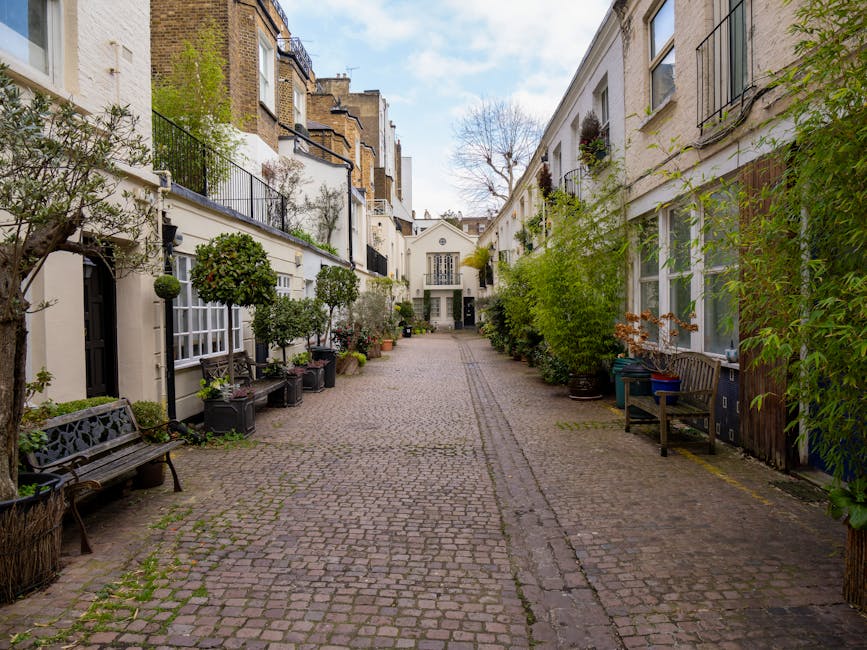
Marylebone gardens can be small and elegant, tucked behind railings or set around compact courtyards, but the pricing should still be plain and fair. When the quote is honest, the work feels easier from the start. And honestly, that peace of mind is worth quite a lot.
If you want a smoother booking experience, choose transparency over guesswork. Your garden will thank you for it, and so will your bank balance.
Frequently Asked Questions
How do I avoid hidden gardener charges in Marylebone bookings?
Ask for a written quote that explains exactly what is included, what counts as extra, and whether waste removal, access time, or materials are charged separately.
Are gardener quotes usually fixed or estimated?
They can be either. Fixed quotes offer more certainty, while estimates are usually used when the scope is less clear. The important thing is knowing which one you have.
What extra charges should I look out for?
Common extras include disposal fees, parking or access costs, return visits, heavy overgrowth, materials, and minimum call-out charges. None of these are automatically unfair, but they should be disclosed.
Should waste removal be included in the price?
Not always, but it should be made clear. If clippings, branches, or other garden waste are being taken away, ask how that is billed and whether there are limits.
Why can Marylebone bookings cost more than expected?
Access can be tricky, parking may be limited, and some gardens require more handling time than they first appear to need. That is normal, but it should be priced openly.
Is it better to pay hourly or agree a fixed price?
For a clearly defined job, a fixed price is usually easier. Hourly pricing can work for uncertain or open-ended tasks, but it carries more risk of a higher final bill.
What should be in a gardener's quote?
A good quote should include the scope of work, price basis, what is included, any exclusions, waste handling, and any conditions that might change the cost.
How can I compare two gardener quotes fairly?
Compare the full scope, not just the headline number. One quote might include waste removal and another might not. If you ignore that difference, the cheaper quote may not actually be cheaper.
Do I need everything in writing?
Not legally for every small job, but yes, it is strongly recommended. A short written summary by message or email can prevent arguments later.
What if the gardener finds more work on the day?
They should explain the change before doing the extra work. You can agree a revised price, trim the scope, or book the additional work separately.
Are health and safety details relevant for a simple garden booking?
Yes, especially if ladders, heavy lifting, branches, or awkward access are involved. Safety is part of professionalism, not a separate bonus feature.
Where can I learn more about the company's service and pricing approach?
Useful starting points are the services overview, pricing and quotes, and about us pages, which help explain how the business works and what to expect.